Why should I trek in Nepal?
Nepal has eight of the highest peaks in the world (including Mount Everest) and also has the best and most breathtaking scenery in the world! You will be surrounded by fantastic scenery, rich culture and incredible people.
How fit do I need to be to trek in Nepal?
You need to be reasonably fit, and can start gradually and build your fitness over time. It helps if you are an active, healthy person that can train to walk or hike for several hours a day. It is important to also choose a trek based on your level of fitness and COMPASSION TREKKING can make recommendations based on your current or predicted fitness level. There are very easy treks and very challenging treks, something for everyone and most active people can train to the required fitness level.
How many hours do we hike per day?
This depends on the trek you choose but most treks are anywhere from 3-6 hours per day. Some days are shorter and rest days can be built in based on your time availability and schedule.
Will I have a guide and a porter to carry my gear?
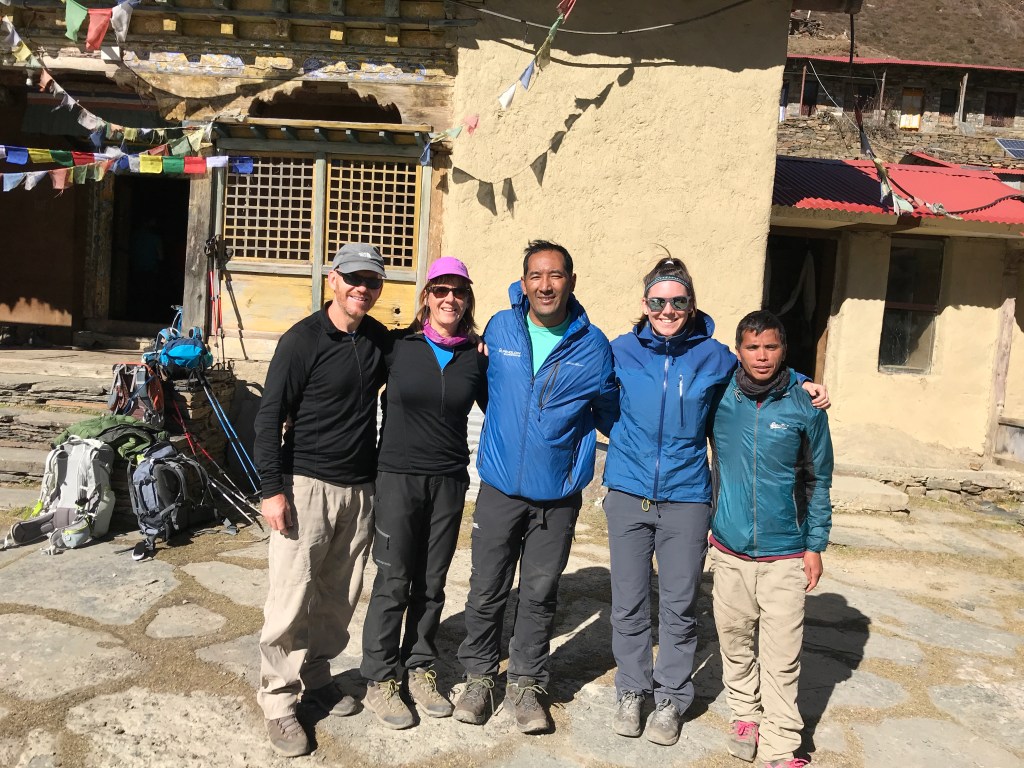
Each trek will have one certified guide for small groups (up to 4 people) and enough porters to carry the gear. For larger groups, more guides will join the trek depending on the group size.
What is the accommodation like?
Trekkers stay in lodges or tea houses on our most popular treks. The accommodation is simple and comfortable. Homestay or tenting options exist on some more remote routes.
What kind of water treatment do you recommend?
You may want to treat your water while traveling in Nepal. Many trekkers use tabs and they are light, tiny and easy to use. The SteriPen is also an excellent and fast way to treat water quickly. There are many options and important to do your research and choose the best option for you.
A very good option is to buy a water filter & purifier bottle. In most lodges, filtered watered is offered. It is important to reduce your environmental footprint and not purchase bottled water.
What kind of hiking boots do your recommend while trekking?
Most trekkers wear sturdy, lightweight (or medium weight) hiking boots that are comfortable. It is really important to ensure you have the correct size and have used them enough times to be comfortable along the trek. Wearing a good pair of wool socks also reduces the risk of getting blisters.
How do I acclimatize properly when trekking in Nepal?
COMPASSION TREKKING guides will create an appropriate trekking schedule that includes rest days and some trip flexibility to ensure proper acclimatization. Drinking plenty of water, trekking slowly and following a good schedule are key for a pleasant trek. Consider researching the use of Diamox (Acetazolamide). Many trekkers bring Diamox but will only use if necessary. We advise you to do your research and discuss with your physician. COMPASSION TREKKING guides are graduates from The Khumbu Climbing Centre and are well educated on proper acclimatization.
Why did you pick the name COMPASSION TREKKING for your company?
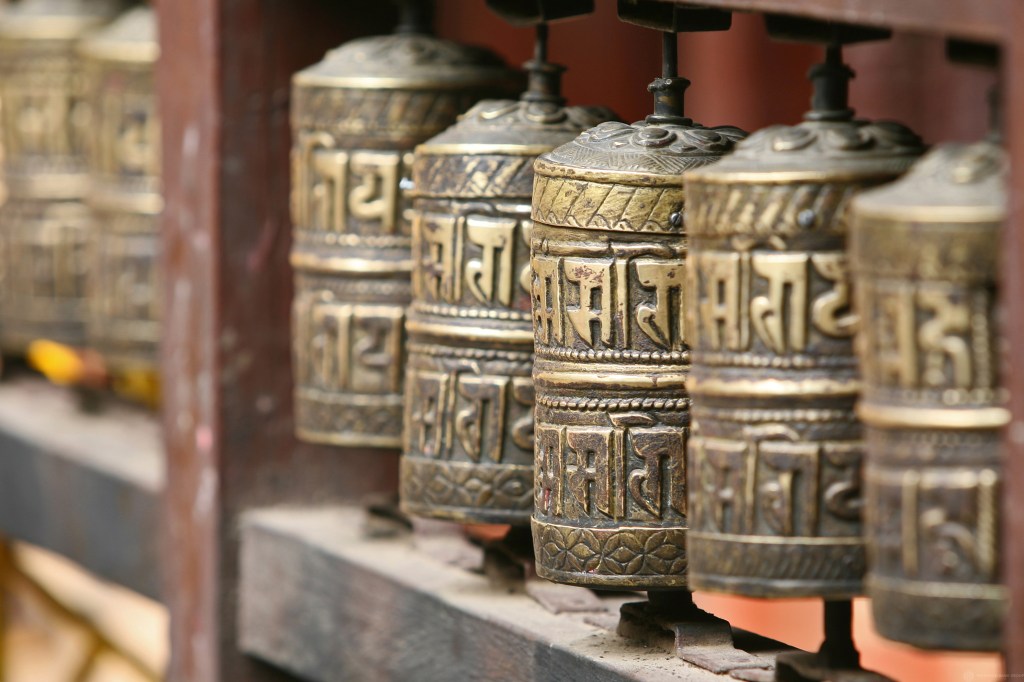
As we were Buddhist Monks for many years, compassion is at the center of our Buddhist religion. We both were born and raised in Phortse in the Khumbu region of Nepal. Our village is home to the most Everest summiteers than anywhere else on earth! Sadly, there have been many Sherpa guides and porters from our village that have died during expeditions (mainly men). COMPASSION TREKKING donates a portion of its proceeds to assist those impacted by these tragedies.
 COMPASSION TREKKING